
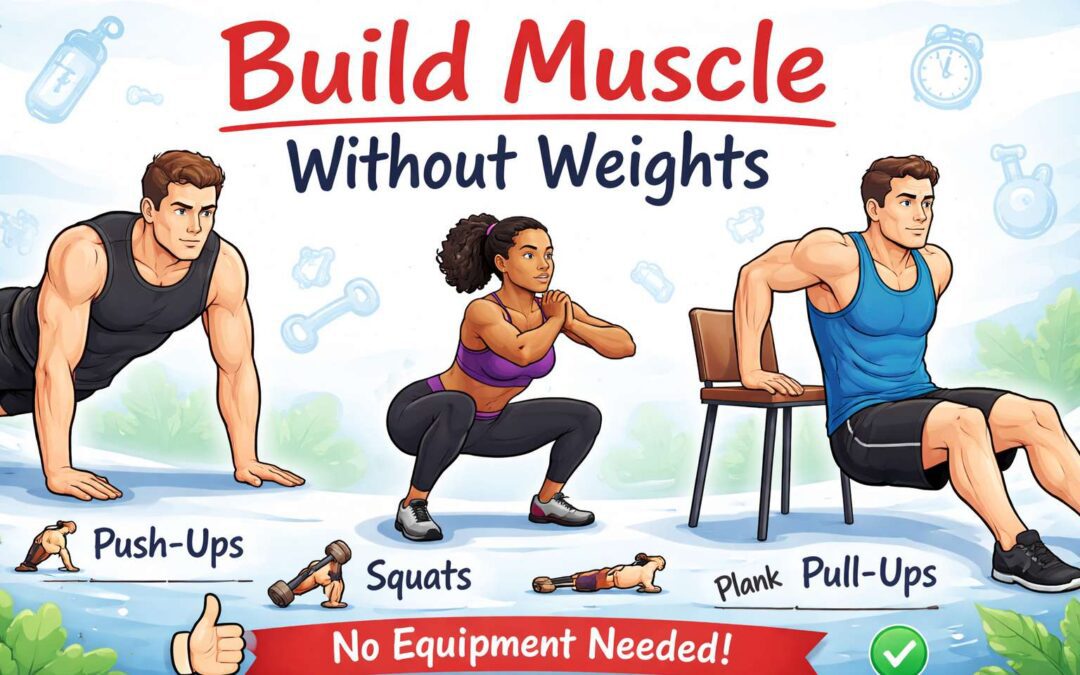
You don’t need expensive gym gear or heavy weights to get fit. One of the best ways to gain muscle at home is through bodyweight exercises. They build muscle and strength by using the weight of your body.
Bodyweight exercises are backed by science. They’re loved by athletes, military, and fitness fans worldwide. These workouts help build lean muscle and boost strength.
Key Takeaways
- Bodyweight exercises can build muscle without expensive equipment
- No-equipment workouts offer flexibility and convenience
- Muscle growth is achievable through strategic resistance training
- Minimal space required for effective muscle-building routines
- Suitable for all fitness levels and age groups
- Reduces risk of injury compared to heavy weight training
Page Contents
- Understanding the Science Behind Bodyweight Training
- Essential Equipment for No-Weight Workouts
- How to Build Muscle Without Weights: Fundamental Principles
- Upper Body Bodyweight Exercises for Maximum Gains
- Core-Strengthening Movements Without Equipment
- Lower Body Muscle Building Without Weights
- Creating an Effective Bodyweight Training Schedule
- Nutrition Strategies for Muscle Growth
- Common Mistakes to Avoid in Bodyweight Training
- Conclusion
- FAQs
Understanding the Science Behind Bodyweight Training
Bodyweight training is more than just simple exercises. It uses the body’s natural ways and science to build muscle. This approach helps muscles grow and get stronger.
Bodyweight training works on key science points. These points help muscles grow and get stronger. Knowing these helps athletes get the most from their workouts.
Muscle Growth Through Progressive Overload
Progressive overload is key for muscle growth. It means making exercises harder over time. This keeps muscles challenged and growing.
- Gradually increase repetitions
- Modify exercise complexity
- Adjust leverage and body positioning
- Reduce rest periods between sets
The Role of Time Under Tension
Time under tension is how long muscles work during an exercise. Slowing down movements helps muscles grow more. It makes them stronger.
| Tempo | Muscle Activation | Growth Potencial |
|---|---|---|
| Slow Eccentric (4 seconds) | High | Maximum |
| Moderate Tempo (2 seconds) | Medium | Significant |
| Fast Explosive | Low | Minimal |
Benefits of Natural Movement Patterns
Natural movements work many muscles at once. This makes muscles stronger and lowers injury risk. It’s like how we move in real life.
“Bodyweight training transforms exercise from isolated movements to holistic physical development.” – Dr. Michael Yessis, Sports Performance Expert
Understanding these science points helps athletes make better workout plans. This boosts muscle growth and physical performance.
Essential Equipment for No-Weight Workouts
Bodyweight training doesn’t always mean zero equipment. Tools can make your workouts better and more fun. You can get resistance bands, pull-up bars, and suspension trainers for less money.
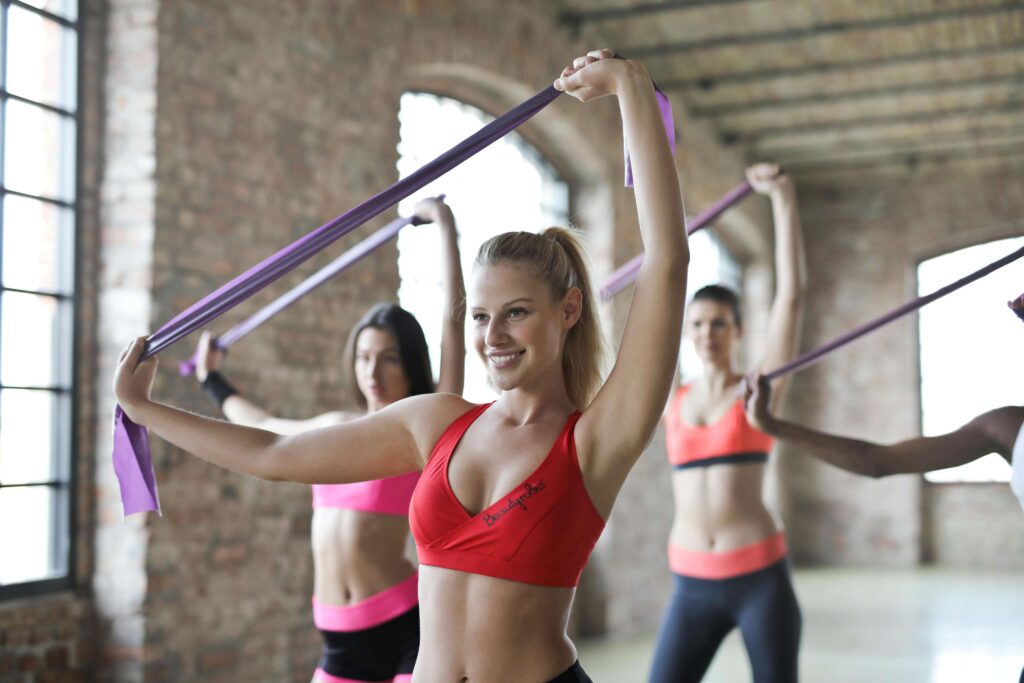
Resistance bands are very useful. They are portable and lightweight. They add resistance to your exercises, making them harder.
- Resistance bands come in different tension levels
- Easy to transport and store
- Suitable for rehabilitation and strength training
Easy Buy: https://amzn.to/4tze2d3
Pull-up bars turn any doorway into a gym. They help you do pull-ups, chin-ups, and more. They are great for getting stronger.
“The right equipment doesn’t replace hard work—it enhances your potential.” – Fitness Expert
Suspension trainers are also very helpful. They use your body weight to work out. You can do many exercises at once.
| Equipment | Primary Benefits | Cost Range |
|---|---|---|
| Resistance Bands | Versatility, Portability | $10-$30 |
| Pull-Up Bars | Upper Body Strength | $20-$100 |
| Suspension Trainers | Full Body Engagement | $50-$200 |
Choosing the right equipment can make your workouts better. Spend your money wisely and see how much you can do.
How to Build Muscle Without Weights: Fundamental Principles
Calisthenics is a great way to build muscle without weights. Learning the basics can change your workout journey. It helps you get stronger.
Progressive Calisthenics Basics
Progressive calisthenics helps muscles grow. It means making exercises harder over time. Ways to do this include:
- Increasing repetition count
- Changing exercise leverage
- Reducing support points
- Implementing more complex movement patterns
“Progression is not about complexity, but about consistent challenge and intelligent adaptation.” – Fitness Expert
Proper Form and Technique
Keeping the right form is key for muscle growth and safety. Focus on smooth movements and using all your muscles. Aim for quality, not just how many you do.
Rest and Recovery Guidelines
Rest is important for muscle growth. Here’s how to recover well:
- Allow 48-72 hours between muscle group workouts
- Get 7-9 hours of quality sleep nightly
- Stay hydrated
- Consume protein-rich meals
By following these basics, you’ll grow muscle with calisthenics. You’ll keep getting better and stay safe.
Upper Body Bodyweight Exercises for Maximum Gains
Building upper body strength without weights is possible. You can do this with bodyweight training. Push-ups, pull-ups, dips, and handstand push-ups are key. They help build muscle without any equipment.
“Bodyweight exercises allow you to build strength using your own resistance, making them incredibly efficient and adaptable,” says fitness expert Mark Lauren.
Key upper body bodyweight exercises include:
- Push-ups: Target chest, triceps, and shoulders
- Pull-ups: Develop back and bicep muscles
- Dips: Strengthen triceps and chest
- Handstand push-ups: Advanced movement for shoulder development
Mastering these exercises needs progressive overload and consistent practice. Start with basic versions. Then, increase difficulty by changing hand positions or adding reps.
Advanced practitioners can try diamond, wide-grip, and one-arm push-ups. For pull-ups, try different grip styles and negative reps to build strength.
“The key is challenging your muscles through varied movements and increasing time under tension,” recommends strength training coach Greg Nuckols.
Adding these exercises to your routine boosts functional strength. It also improves muscle definition and athletic performance.
Core-Strengthening Movements Without Equipment
You don’t need fancy gym gear to get a strong core. Bodyweight exercises are great for your abs and core. You can do powerful workouts anywhere, just using your body.
Advanced Plank Variations
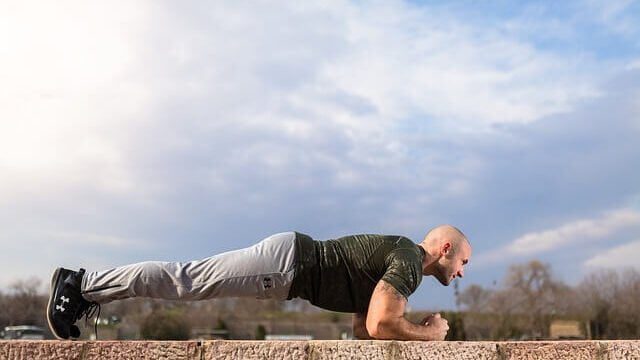
Plank variations are awesome for your core. They work many muscles at once. Here are some top plank variations:
- Side planks with leg lifts
- Rotating plank
- Spider-man plank
- Plank with shoulder taps
Dynamic Core Exercises
Dynamic exercises keep your core on its toes. They mix movement with core work for the best results.
| Exercise | Primary Muscles Targeted | Difficulty Level |
|---|---|---|
| Mountain Climbers | Rectus Abdominis, Obliques | Intermediate |
| Russian Twists | Obliques, Transverse Abdominis | Intermediate |
| Bicycle Crunches | Entire Core Complex | Beginner |
Isometric Hold Techniques
Isometric exercises are great for core strength. They keep muscles tight without moving joints. This makes muscles work hard.
“The power of isometric exercises lies in their ability to build strength through constant tension.” – Fitness Expert
- Standard plank (30-60 seconds)
- Hollow body hold
- V-sit hold
- Extended side plank
Lower Body Muscle Building Without Weights
You don’t need fancy gym gear to build strong legs and glutes. Bodyweight exercises are great for building strength and muscle. They also help with explosive power.
Squats are key for working out your lower body. Learning different squat types can work many muscles at once. Here are some top bodyweight squat methods:
- Pistol squats for unilateral leg strength
- Jump squats for plyometric power
- Close-stance and wide-stance bodyweight squats
Lunges are also vital for building muscle in your lower body. They help with balance, coordination, and endurance. Try walking lunges, reverse lunges, and lateral lunges to work different muscles and keep your workouts interesting.
“Bodyweight training allows you to become stronger using nothing more than gravity and your own resistance.” – Fitness Expert
Plyometric moves like box jumps and explosive lunges boost muscle power. These intense exercises help your muscles grow fast and improve your metabolism.
Don’t forget about your calves. Bodyweight calf raises can make your lower legs look great. Try single-leg calf raises, jumping calf raises, and seated calf raises to strengthen these muscles.
- Focus on slow, controlled movements
- Increase repetitions and complexity over time
- Maintain proper form to maximize muscle engagement
Keep pushing yourself to get stronger. Increase your reps, cut down on rest time, or make your workouts more challenging. This will keep your muscles growing.
Creating an Effective Bodyweight Training Schedule
Creating a good workout plan is key for growing muscles and getting fit. Bodyweight training needs a plan to keep getting better. This plan should include exercises that get harder and tracking your progress.
Good bodyweight training is not just random exercises. It needs a plan that challenges your muscles. This plan keeps you motivated and stops you from getting stuck.
Weekly Workout Structure
A good bodyweight training plan looks like this:
- Do 3-4 workouts a week
- Exercise all of your parts or concentrate on certain muscles.
- Rest each muscle group for at least 48 hours
Exercise Progression Methods
Getting better at exercises is important for muscle growth. Here’s how to increase the difficulty of your workouts:
- Change how many times you do an exercise
- Make the exercises more complex
- Do exercises for longer
- Try new and harder versions of exercises
Tracking Your Progress
Tracking your workouts makes them more scientific. Use these methods to follow your progress:
| Tracking Method | Benefits |
|---|---|
| Workout Journal | Write down sets, reps, and how hard it was |
| Progress Photos | See how your body has changed |
| Performance Metrics | Keep track of reps, how hard exercises are, and how long you recover |
“What gets measured gets improved. Track your fitness journey meticulously.” – Fitness Experts
By following these tips, you’ll make a bodyweight training plan that helps you grow muscles. It will also keep your workouts interesting and challenging.
Nutrition Strategies for Muscle Growth
To build muscle with bodyweight training, you need a good nutrition plan. Your diet helps your muscles grow and perform better. Knowing about protein, calories, and when to eat can really help.
Protein is key for muscle growth. Eat 1.6 to 2.2 grams of protein for every kilogram of your weight each day. This helps your muscles fix and grow after working out.
“Nutrition is the cornerstone of muscle development, regardless of your training method.” – Sports Nutrition Experts
- Calculate your daily protein needs based on your weight
- Eat lean proteins like chicken, fish, and beans
- Think about using protein supplements if you need to
To grow muscle, you need to eat more calories than you burn. Add 300-500 calories to your usual intake. These extra calories help your muscles grow and recover.
| Meal Timing Strategy | Recommended Action |
|---|---|
| Pre-Workout | Eat 20-30g protein with carbs |
| Post-Workout | Have a protein-rich meal in 30-60 minutes |
| Between Meals | Have protein snacks to keep nutrients steady |
When you eat matters for muscle growth. Eat protein in 4-6 meals a day. This keeps amino acids flowing and helps your muscles grow.
- Choose whole, nutrient-rich foods
- Drink water all day
- Watch how your body reacts and change your diet as needed
Nutrition is a personal thing. Pay attention to how your body feels. Keep track of your progress and adjust your diet for the best muscle growth with bodyweight training.
Common Mistakes to Avoid in Bodyweight Training
Bodyweight training is a great way to get fit. But, many people make mistakes that can stop their progress. Knowing these mistakes can help you do better and see great results.
Form and Technique Errors
Good exercise form is key in bodyweight training. Bad technique can mean you don’t work your muscles right and might get hurt. Some common mistakes are:
- Sacrificing proper alignment for repetition count
- Rushing through movements without controlled execution
- Neglecting full range of motion in exercises
“Precision trumps volume every time in bodyweight training.” – Fitness Experts
Programming Pitfalls
Overtraining is a big problem for those who love to work out. Good programming helps avoid burnout and helps muscles grow.
- Failing to incorporate sufficient variation in workouts
- Performing identical routines without progression
- Ignoring individual recovery capabilities
Recovery Mistakes
Not getting enough rest can ruin your workout plan. Muscles grow when you’re resting, not when you’re working out. Important things to remember about recovery are:
- Underestimating sleep’s role in muscle repair
- Skipping active recovery and mobility work
- Neglecting proper nutrition for muscle reconstruction
By knowing and fixing these common mistakes, you can have a better fitness journey. This journey will be safer and help your muscles grow more.
Conclusion
Starting a bodyweight fitness journey is easy. You don’t need fancy equipment or gym memberships. Your body is the best tool for building muscle and getting stronger.
Learning basic techniques and proper form is key. This way, you can see amazing results in your muscles.
Bodyweight training is great because it’s easy to start and grow with. It works for everyone, from beginners to pros. Simple exercises like push-ups and squats can get harder as you get better.
This journey is not just about working out. It’s a way to stay fit for life. Focus on natural movements, keep training regularly, and eat well. This way, you can build lean muscle and get stronger without weights.
Begin your journey today. Learn the right techniques and be patient with your progress. Bodyweight training can unlock your body’s full power. Your body is amazing—use it wisely.
FAQs
How long does it take to see muscle gains with bodyweight training?
Seeing muscle gains depends on many things. These include how often you work out, what you eat, and your body’s response. You might notice changes in 8-12 weeks if you stick to it and eat right.
Do I need any equipment for bodyweight muscle training?
You don’t need much, but some tools can help. Things like resistance bands and pull-up bars can make your workouts harder. They add variety and challenge to your routine.
How often should I do bodyweight workouts to build muscle?
Aim for 3-4 workouts a week. Make sure to rest well between them. Each workout should target different muscles and get harder as you get stronger.
Can bodyweight training help me build muscle if I’m a beginner?
Yes! It’s perfect for beginners. It helps you learn proper form without the need for weights. Start simple and get tougher as you get stronger.
How important is nutrition when building muscle without weights?
Nutrition is key. Eat lots of protein and a bit more than you burn. You need protein, carbs, and fats for muscle repair and growth.
What are some common mistakes to avoid in bodyweight muscle training?
Don’t skip proper form, don’t stop getting harder, don’t forget to rest, and don’t ignore what you eat. Always focus on form, increase the challenge, rest well, and eat right.
Can I build muscle mass as effectively with bodyweight exercises as with weight training?
Bodyweight training can be just as good as weights for muscle growth. Use advanced moves, do more reps, and try techniques like time under tension to grow your muscles.
How do I know when to progress in my bodyweight workout?
Progress when you can do 12-15 reps with perfect form. Then, try harder versions like changing the exercise or adding pauses. Keep challenging your muscles.